
The Impact of Social Trends on Wellness
 Kevin Calvey
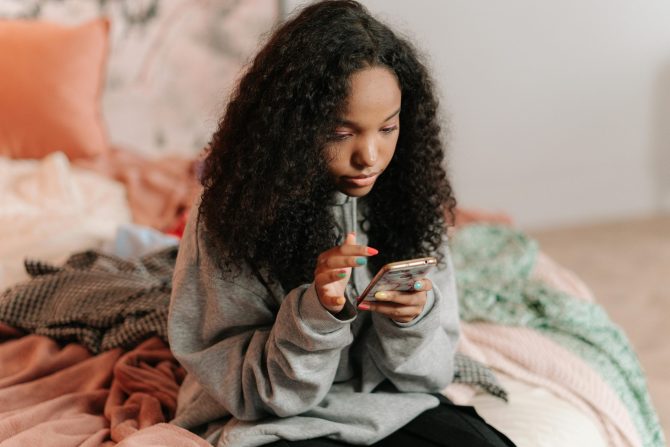
Social media has made wellness trends easier to discover, from meditation routines to convenient services such as home service IV Drip Bali. A short video, a friend’s recommendation, or a travel influencer’s daily routine can introduce people to new ways of caring for themselves.
These discoveries can inspire positive changes, but they can also shape expectations about what a healthy lifestyle should look like.
Understanding how social trends influence wellness choices helps people separate useful ideas from temporary hype. Rather than following every popular practice, individuals can learn to evaluate recommendations and choose routines that genuinely suit their needs, preferences, and circumstances.
How Social Media Shapes Wellness Decisions
Platforms such as Instagram, TikTok, and YouTube have changed how people discover wellness practices. Instead of searching specifically for health advice, users may encounter workout tutorials, nutritious recipes, breathing exercises, or relaxation techniques while scrolling through their feeds.
Visual content can make these activities appear accessible. Someone who watches a creator prepare balanced meals might feel encouraged to improve their eating habits. Similarly, a video demonstrating a simple stretching routine could inspire someone to become more active.
Social media algorithms can reinforce this impression by recommending similar content based on previous interactions. Consequently, people may develop wellness preferences partly through repeated exposure rather than deliberate research.
The influence is not necessarily negative. Online content can introduce practical habits, but its popularity should not determine whether a practice is appropriate or beneficial.
The Role of Influencers and Online Communities
Wellness influencers often shape consumer decisions by sharing personal experiences, routines, and product recommendations. Their content can feel relatable because followers see how particular practices fit into someone’s everyday life.
For example, a fitness creator might discuss recovery after exercise, while a travel blogger shares relaxation activities during a holiday in Bali. These experiences can introduce audiences to services they had not previously considered.
Online communities also contribute to this process. People exchange recommendations, discuss their experiences, and ask questions about products or routines. Such conversations can help individuals discover options that match their interests.
Popular Wellness Trends and Changing Lifestyle Preferences
Modern wellness trends reflect a growing interest in incorporating self-care into everyday routines. People increasingly encounter content about mindfulness, fitness, sleep quality, balanced nutrition, and stress management.
These practices appeal to different needs. A busy professional might explore meditation to manage daily stress, while someone who enjoys outdoor activities may follow strength-training or mobility programs. Others prioritize sleep schedules and regular breaks to maintain a more sustainable routine.
Convenience is another consideration. Travelers and busy individuals may look for wellness options that fit around their schedules rather than requiring extensive changes to their day.
In Bali, for example, visitors may discover spa treatments, fitness classes, and on-demand wellness services through travel content and online recommendations. Someone researching home service IV Drip Bali may be exploring available services while planning a stay or considering personal wellness options.
However, an attractive presentation should not replace an assessment of safety and medical suitability. IV drip treatments involve administering fluids or substances directly into a vein, so they carry potential risks and are not necessary for everyone. People should consult qualified healthcare professionals to determine whether such treatment is appropriate for their circumstances.
When Wellness Trends Become Misleading
Not every popular wellness practice deserves attention. Some trends rely on exaggerated promises, selective testimonials, or marketing that presents complicated health issues as problems with simple solutions.
A supplement promoted as essential for energy, for instance, may be unnecessary for someone who already meets their nutritional needs. Similarly, an elaborate morning routine might look appealing online but prove unrealistic for someone with a different work schedule or family responsibilities.
Social comparison can create additional pressure. Seeing carefully edited images of idealized lifestyles may lead people to believe they are neglecting their health unless they purchase particular products or follow specific routines.
Financial considerations matter, too. Trying every new treatment, subscription, or wellness product can become expensive without necessarily improving overall well-being.
People should be especially cautious when content promises guaranteed results, discourages conventional medical care, or recommends treatments without explaining their risks.
A healthy lifestyle does not need to resemble an influencer’s routine. Consistent, manageable habits often make more sense than constantly chasing the next trend.
How to Make Informed Wellness Choices
Evaluating wellness trends begins with asking a few practical questions. What purpose does the practice serve? Is there credible evidence supporting its claimed benefits? Does it fit your lifestyle, budget, and personal needs?
Check information from reliable healthcare sources rather than relying exclusively on testimonials. When considering treatments, review the provider’s qualifications, safety procedures, and explanation of potential risks.
It also helps to distinguish between general lifestyle habits and medical interventions. Walking regularly or establishing a consistent bedtime is different from taking supplements or undergoing an intravenous treatment. The latter may require professional assessment.
Finally, give yourself permission to ignore trends that do not suit you. You do not need to adopt every popular routine to care for your well-being.
Social trends can introduce useful ideas, connect people with supportive communities, and make wellness options easier to discover. However, popularity alone cannot establish whether a practice is safe, effective, or suitable for an individual.
The best approach combines curiosity with careful evaluation. Explore new ideas, question exaggerated claims, and seek qualified advice when health decisions involve potential risks. Whether researching everyday habits or considering home service IV Drip Bali, prioritize reliable information and personal needs over online popularity.